
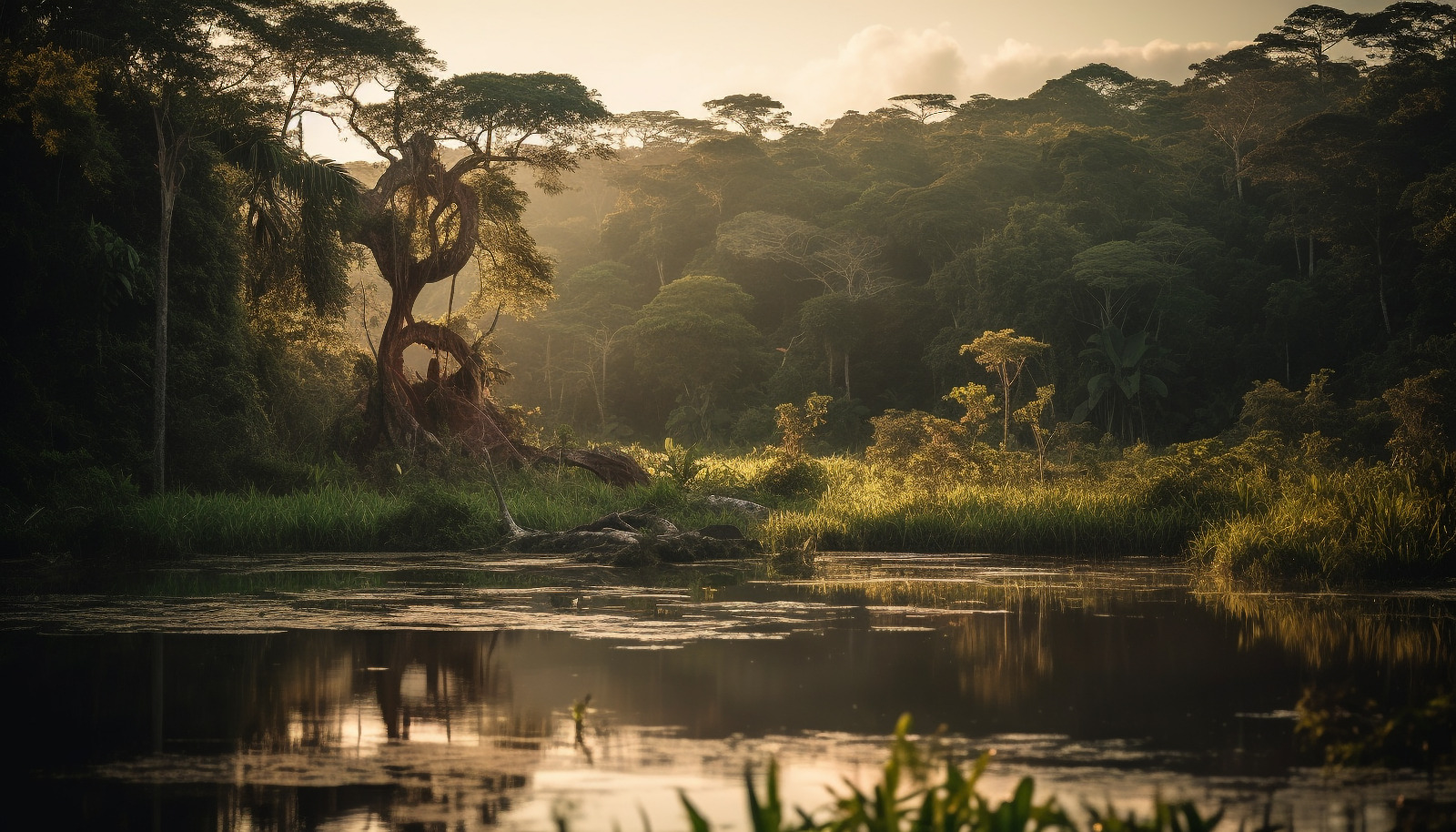
Rwanda Tropical Forests and Biodiversity Analysis
Rwanda's tropical forests and biodiversity form part of the globally significant Albertine Rift ecosystem and provide essential services such as water regulation, soil protection, climate moderation, and habitats for rare and endemic species, including primates, birds, and diverse plant communities found in areas like Nyungwe, Gishwati-Mukura, Volcanoes, and Akagera landscapes; although Rwanda has made progress in increasing overall forest cover through reforestation and plantations, natural forests remain limited and highly fragmented, making them vulnerable to continued pressures from rapid population growth, agricultural expansion, fuelwood and charcoal dependence, illegal resource extraction, infrastructure development, and the increasing impacts of climate change such as altered rainfall patterns and ecosystem stress, all of which threaten species survival and ecological stability; additional challenges include historical land degradation, habitat isolation that reduces genetic diversity, and limited resources for long-term monitoring and enforcement, yet significant opportunities exist through strong national environmental policies, participation in global restoration initiatives like landscape rehabilitation programs, expansion and improved management of protected areas, promotion of eco-tourism that generates conservation revenue, and community-based conservation approaches that link local livelihoods with sustainable forest use through agroforestry, alternative energy, and conservation education; by strengthening governance, investing in ecosystem restoration, enhancing scientific research, and ensuring that surrounding communities benefit directly from conservation outcomes, Rwanda has a realistic pathway to safeguard its tropical forests and biodiversity while supporting sustainable development and long-term environmental resilience.