Review of World Vision Rwanda (WVR) Sectors of Intervention in WASH
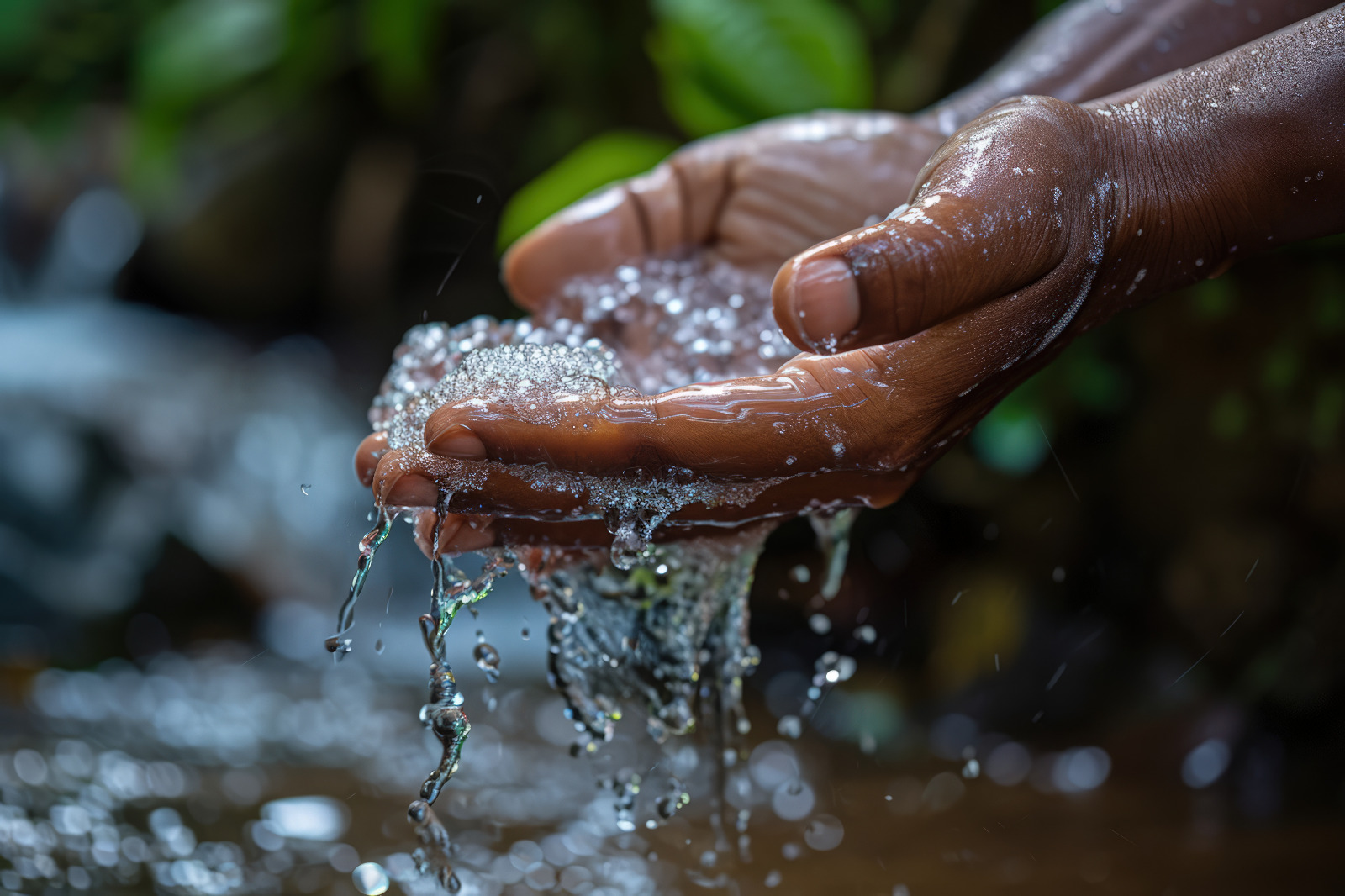
World Vision Rwanda WVR interventions in Water, Sanitation, and Hygiene WASH are central to its mission of improving child well being and community resilience by ensuring equitable access to safe water, improved sanitation facilities, and hygiene practices that prevent disease and promote dignity; through constructing and rehabilitating water supply systems such as boreholes, gravity fed schemes, and protected springs, WVR increases reliable access to clean water for rural and peri urban communities, reduces the burden of water collection on women and children, and supports school and health center infrastructure, while its sanitation initiatives focus on building latrines, promoting household sanitation improvements, and facilitating community led total sanitation CLTS approaches to eliminate open defecation, enhance environmental cleanliness, and reduce waterborne diseases; complementary hygiene promotion activities including behavior change campaigns on handwashing with soap, menstrual hygiene management, and safe water handling strengthen community capacity to adopt and sustain positive practices, with particular emphasis on engaging children, caregivers, local leaders, and school health clubs to foster long term behavioral shifts; WVR also integrates WASH with broader development and emergency response sectors such as nutrition, education, health, and child protection ensuring that improved water and sanitation services contribute to better health outcomes, school attendance, and economic productivity; despite progress made through partnerships with government entities, local NGOs, and community structures, challenges like infrastructure maintenance, financing constraints, seasonal water scarcity, and reaching the most vulnerable populations remain, pointing to the need for ongoing capacity building, innovative financing, and strengthened community ownership to ensure WASH services are sustainable, inclusive, and resilient to climate and demographic pressures while advancing Rwandas national goals for universal access to clean water and sanitation.